

EssayShark Releases Research Examining Decade-Long Decline in U.S. Colleges and Universities
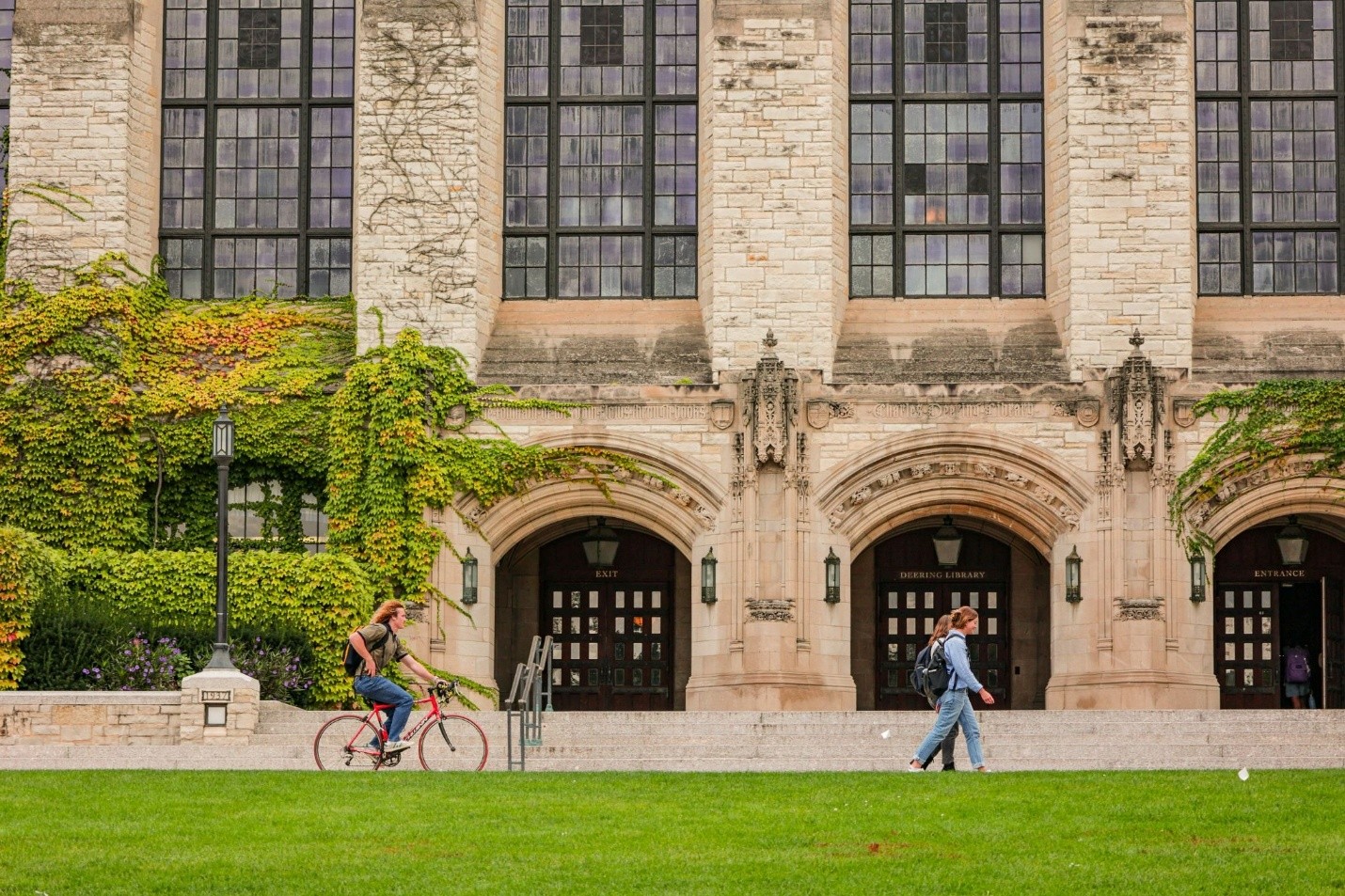
A new research study explores the first major contraction in higher education institutions since the 1970s.
LIMASSOL, Cyprus, June 23, 2026 (GLOBE NEWSWIRE) -- EssayShark has published a new research study examining changes in the U.S. higher education landscape over the past decade. Based on an analysis of historical federal data and enrollment trends, the report finds that the number of degree-granting postsecondary institutions in the United States declined by 830 between the 2012–13 and 2022–23 academic years. The study explores trends in institutional closures, mergers, sector-specific changes, and regional differences, providing an overview of how the nation's higher education system has evolved during this period.
According to the research, the total number of degree-granting postsecondary institutions in the United States fell to 3,896 in 2022–23 from a peak of 4,726 in the 2012–13 academic year. The analysis indicates that institutional closures and mergers have exceeded the creation of new colleges during this period.
A thorough analysis of historical federal data and current registration trends reveals that the United States lost 830 colleges and universities between 2012 and 2023. Such a noticeable decline illustrates how the college options are narrowing as the industry enters an era of mergers and strategic restructuring.
The total number of degree-granting postsecondary institutions in the United States fell to 3,896 in 2022-23, representing a significant decrease from the 2012-13 academic year peak of 4,726. The data suggests that for the first time in modern history, the rate of institutional closures and mergers is outpacing the creation of new colleges.
While public four-year universities actually grew to 782 institutions, two-year colleges collapsed from their 1997 peak of 1,742 schools to just 1,268 in 2023. Most striking, the for-profit sector imploded, plunging from 1,451 institutions in 2012 to only 683, which is a staggering 53% decrease that reflects regulatory crackdowns.
"We're witnessing the end of an era in American higher education," said Frederick Poche, the lead researcher at EssayShark. "For decades, we have been witnessing the expansion of more colleges and more opportunities. Now, however, students have fewer institutions to choose from."
The study highlights that the closure of a local college often removes a vital pillar of the given community, forcing students to look further from home or move entirely into digital learning spaces to secure their future.
To provide context for this institutional shift, EssayShark’s research highlights three critical data points that define the current landscape:
Geographic inequality in college access has reached extreme levels. There are 403 colleges and universities in California, which is more than the combined total of the 23 smallest states. Meanwhile, Delaware operates just 7 institutions, Alaska has 8, and Wyoming maintains only 9. This dramatic concentration means students in populous states enjoy dozens of local options, while those in rural or less-populated regions face severely limited choices and need to relocate or look for online-only programs.
The two-year college pathway is disappearing. Public community colleges have declined from 1,092 institutions in 1997 to 817 today. Private two-year institutions fell even more dramatically, from 771 to 451 in just over a decade. This erosion disproportionately affects students who depend on locally accessible education.
The for-profit sector experienced a collapse. After an intense period of growth that peaked at 1,451 institutions in 2012, for-profit colleges have lost more than half their campuses due to regulatory scrutiny and accreditation challenges. Four-year for-profit institutions dropped from 782 to 310, while two-year programs fell from 674 to 373. This contraction has left behind thousands of former students with debt but no degree and communities with fewer educational options.
Despite the overall institutional decline, enrollment patterns tell a paradoxical story. The average public institution now serves 8,648 students, while private colleges average just 2,269 students. This means American higher education is focusing on large public universities, with institutions like Arizona State University enrolling 65,450 undergraduates.
The consolidation trend isn’t a temporary phenomenon. Demographic shifts, particularly declining birth rates in many states, suggest enrollment pressures will intensify through 2030. Experts predict further closures, especially when it comes to small private colleges and rural community colleges.
Yet the research also identifies pockets of growth, stating that states investing heavily in public higher education have expanded capacity. For instance, Texas added public institutions even as the national count fell, and California maintained its massive system through aggressive community college expansion and public university growth.
The data suggests that while America still boasts nearly 4,000 colleges and universities, which is more than most nations, the era of expanding access through institutional growth has ended.
The complete research study, including interactive state-by-state maps and detailed institutional breakdowns, is available on EssayShark’s blog.
About EssayShark
EssayShark is an academic assistance organization that has been assisting clients from around the globe since 2011. We specialize in professional writing and editing services and help students who need high-quality research support. Our business mission is to provide customers with all the tools they need to achieve their academic goals.
ADDRESS
Don’t hesitate to contact us via chat (on the website) or email (support@essayshark.com) or follow us on Instagram to get answers to your questions.
Contact Information
EssayShark
Email: support@essayshark.com
Website: https://essayshark.com/
Source: EssayShark
Disclaimer: This sponsored content reflects the views of the content provider only and not those of this media platform or its publisher. It is for informational purposes and not financial, investment, or business advice. All investments carry risks, including loss of capital. Readers should do their own research and consult a qualified advisor before making decisions. Speculate only with funds that you can afford to lose.The media platform and publisher are not responsible for any inaccuracies or losses. GlobeNewswire does not endorse any content on this page.
Legal Disclaimer: This article is provided on an “as-is” basis, without warranties or representations of any kind, express or implied. The media platform assumes no responsibility or liability for the accuracy, content, completeness, legality, or reliability of the information presented. Any complaints, claims, or copyright concerns related to this article should be directed to the content provider mentioned above.
A photo accompanying this announcement is available at https://www.globenewswire.com/NewsRoom/AttachmentNg/7744456a-b993-422f-9d90-fee1ccf6ee23

EssayShark
EssayShark
Legal Disclaimer:
EIN Presswire provides this news content "as is" without warranty of any kind. We do not accept any responsibility or liability for the accuracy, content, images, videos, licenses, completeness, legality, or reliability of the information contained in this article. If you have any complaints or copyright issues related to this article, kindly contact the author above.
